Rebranding a B2B cacao trading company for the premium market
Client • Aroco - Aroma Colombiano
Year • 2025 - Today (Ongoing)
Role • Creative Director & Consultant (External)
Scope • Brand Development, Asset Creation & Packaging Design
Team • 3 Cross functional
Goal • Increase sales, become a global cacao trader and producer
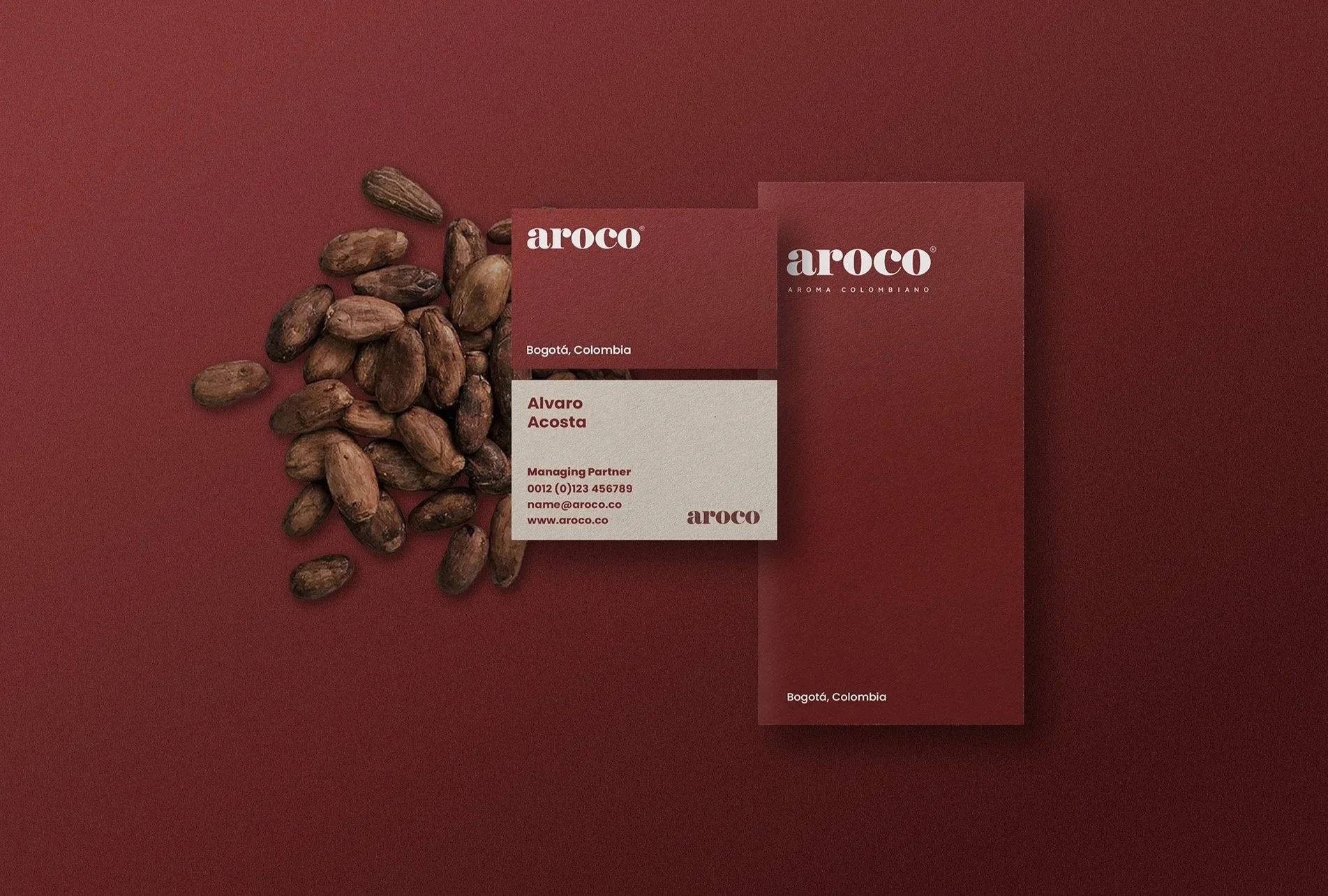
Executive Summary
Aroco is a Colombian fine-flavour cacao company aiming to shift from a commodity-driven supplier into a premium origin brand for high-end chocolate makers, food brands and conscious consumers. Most cacao producers compete on price alone, leaving little room for differentiation despite real differences in quality and sustainability practice.
Diagnosis
Aroco had high operational activity but no binding vision or strategic framework, so existing brand components weren't derived from a clear positioning and failed to build consistent perception.


Positioned Aroco not as a luxury brand detached from agriculture, but as a credible premium origin brand rooted in traceability, regenerative agriculture and product excellence, targeting premium retail partners, chocolate manufacturers and culinary professionals.
Decision Framework


Elevating origin into a premium category
For premium chocolate brands, Aroco is the forward-thinking cacao partner from Colombia, combining deep pride in its origin and farming traditions with innovative processes, transparent collaboration, and long lasting partnerships built on trust and integrity.
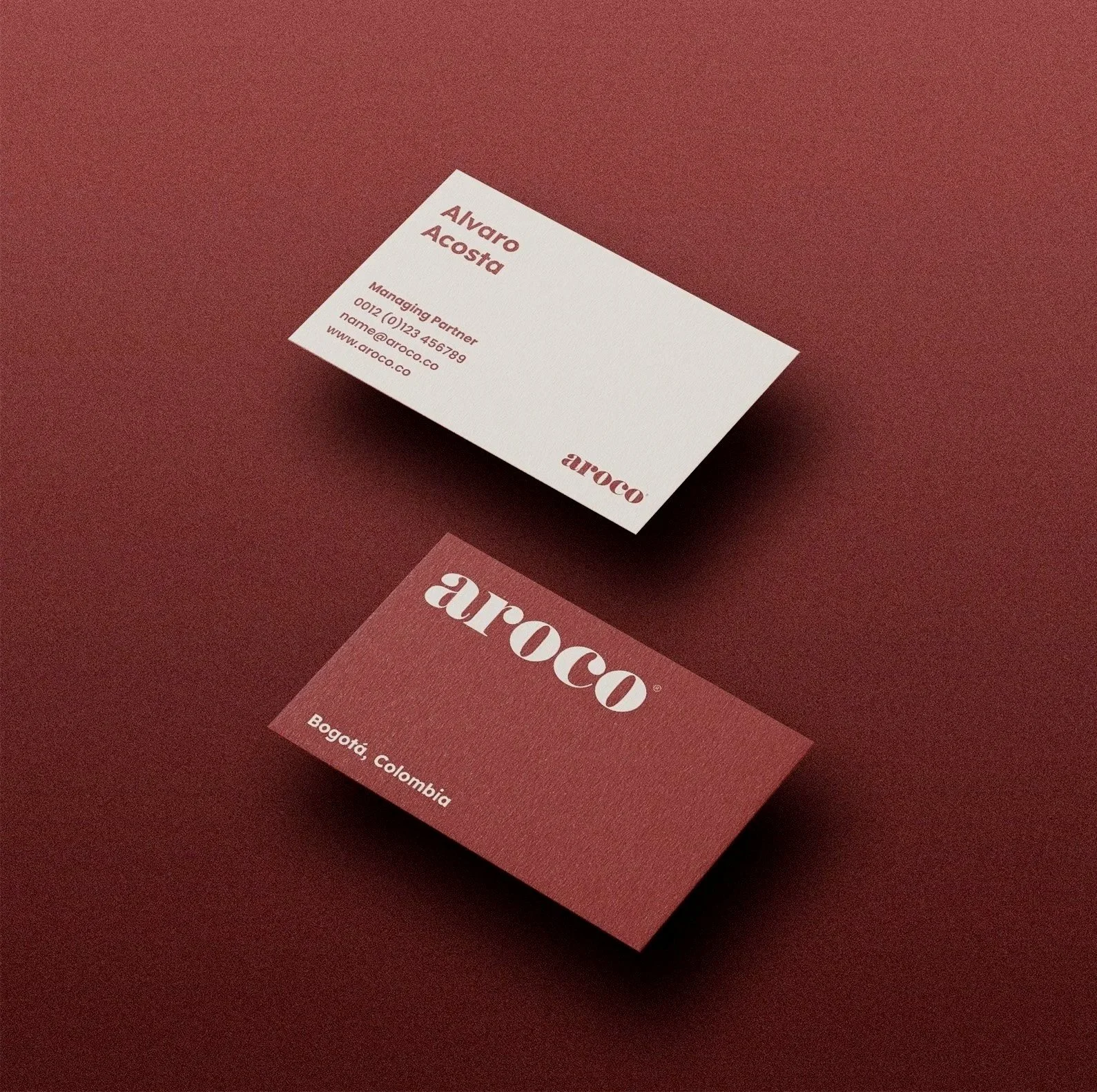
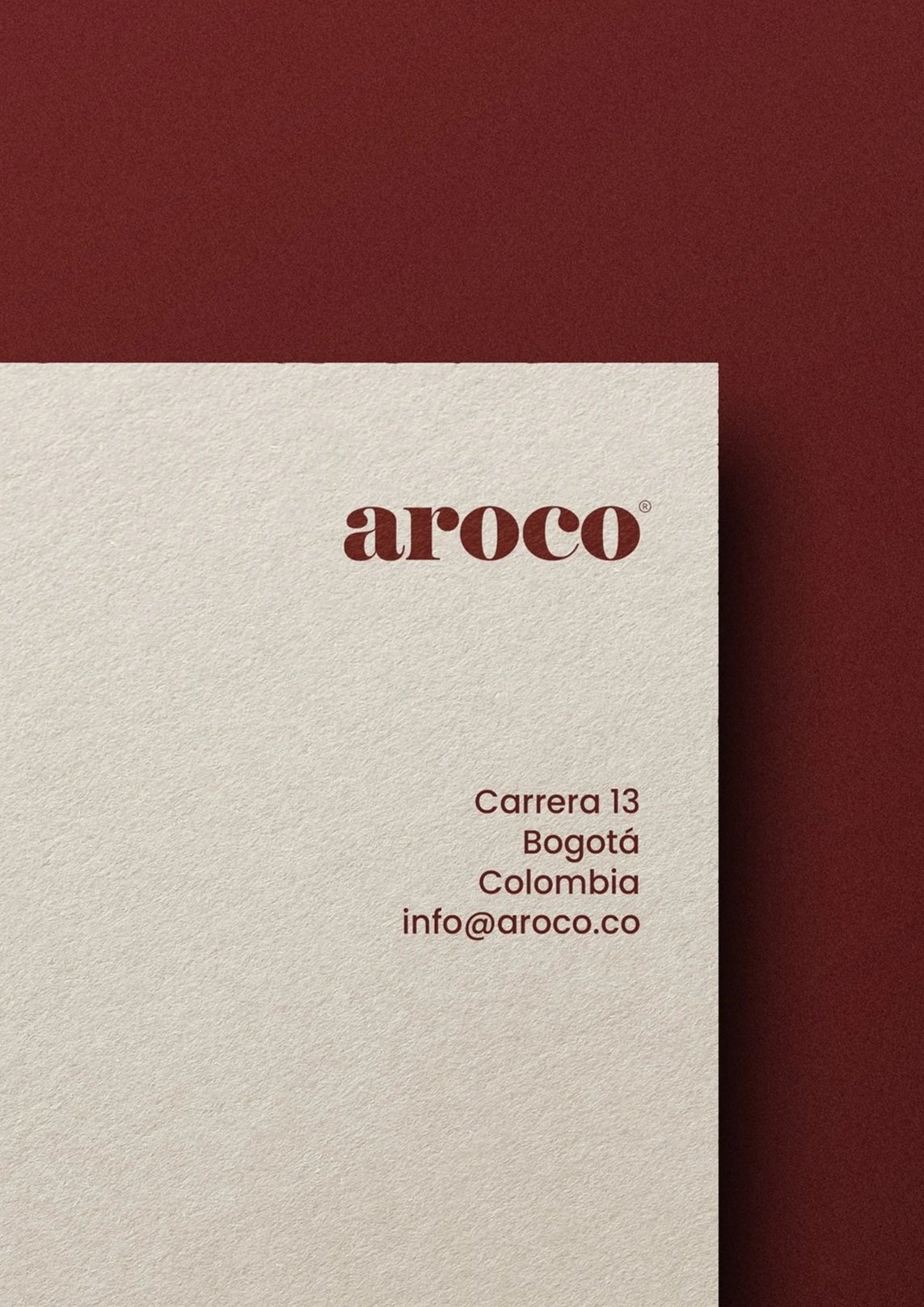
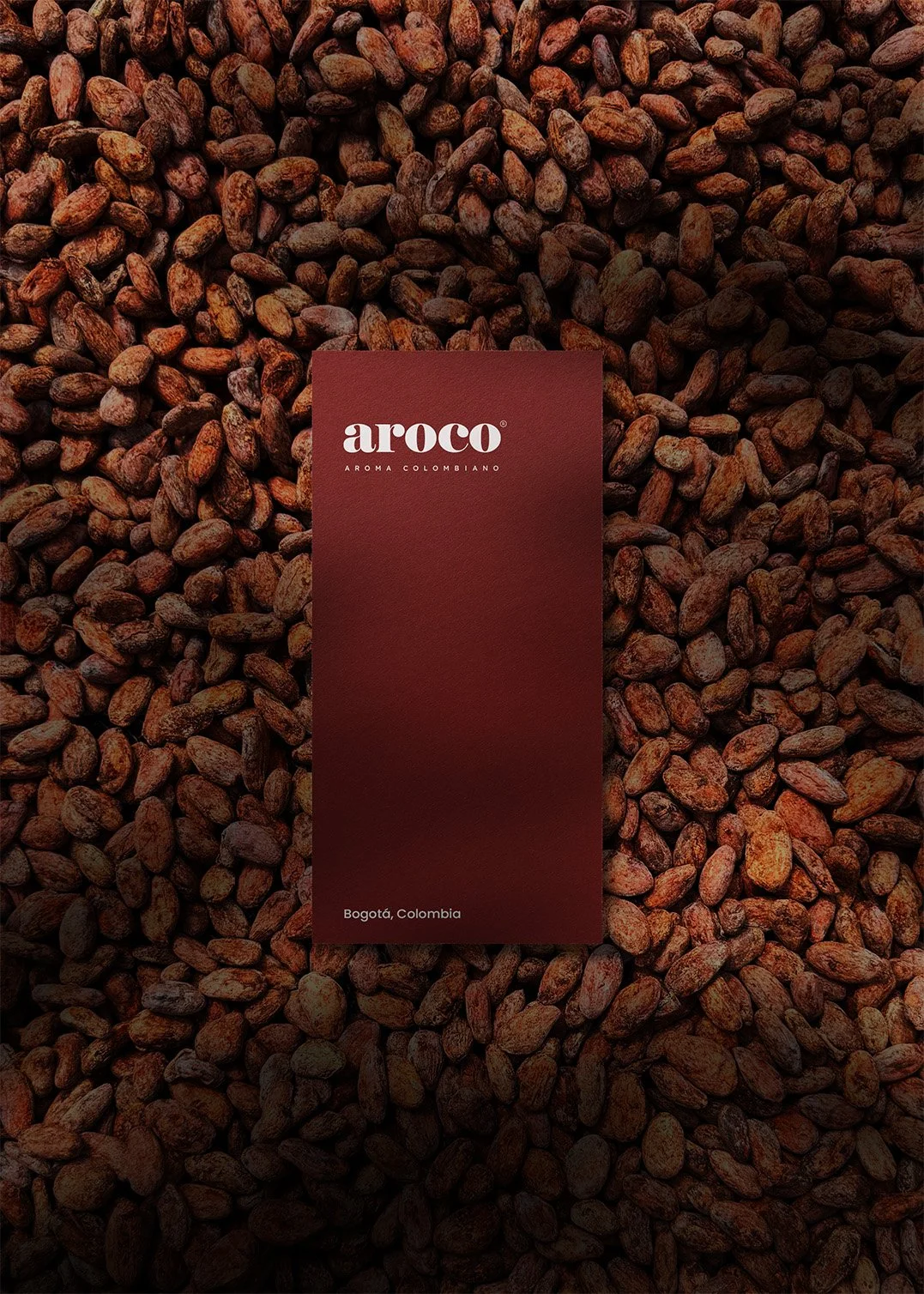
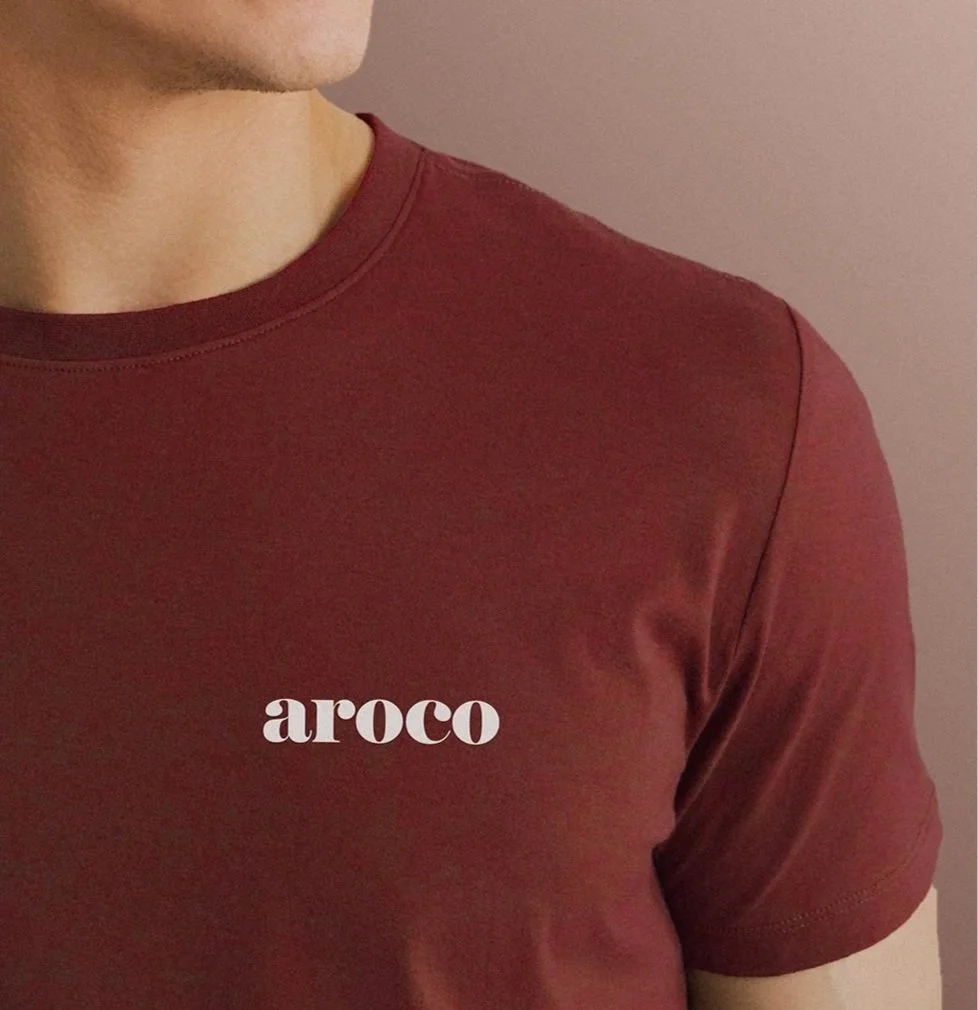
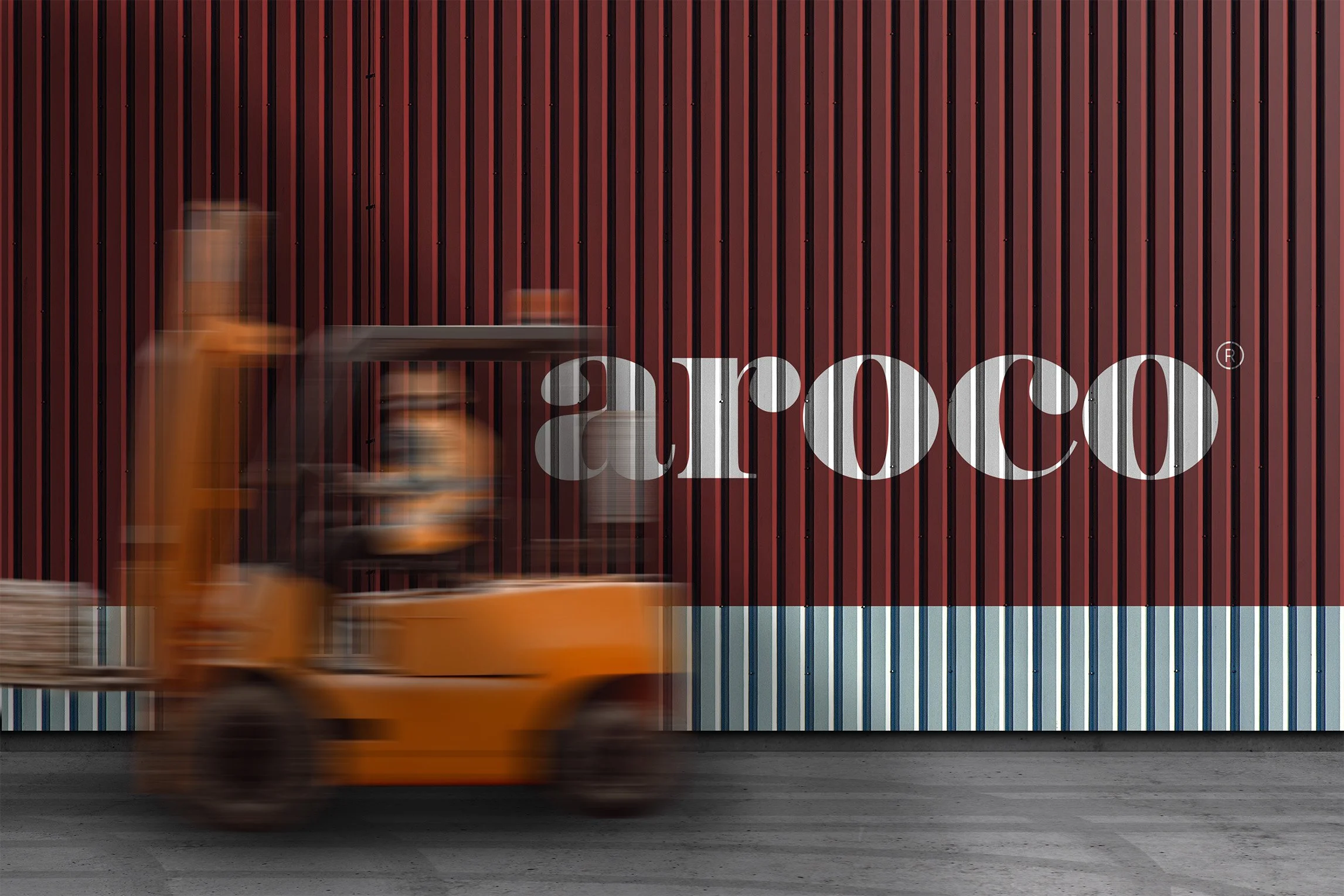
We combine technical innovation with relentless dedication, constantly evolving to set new standards in cacao excellence.
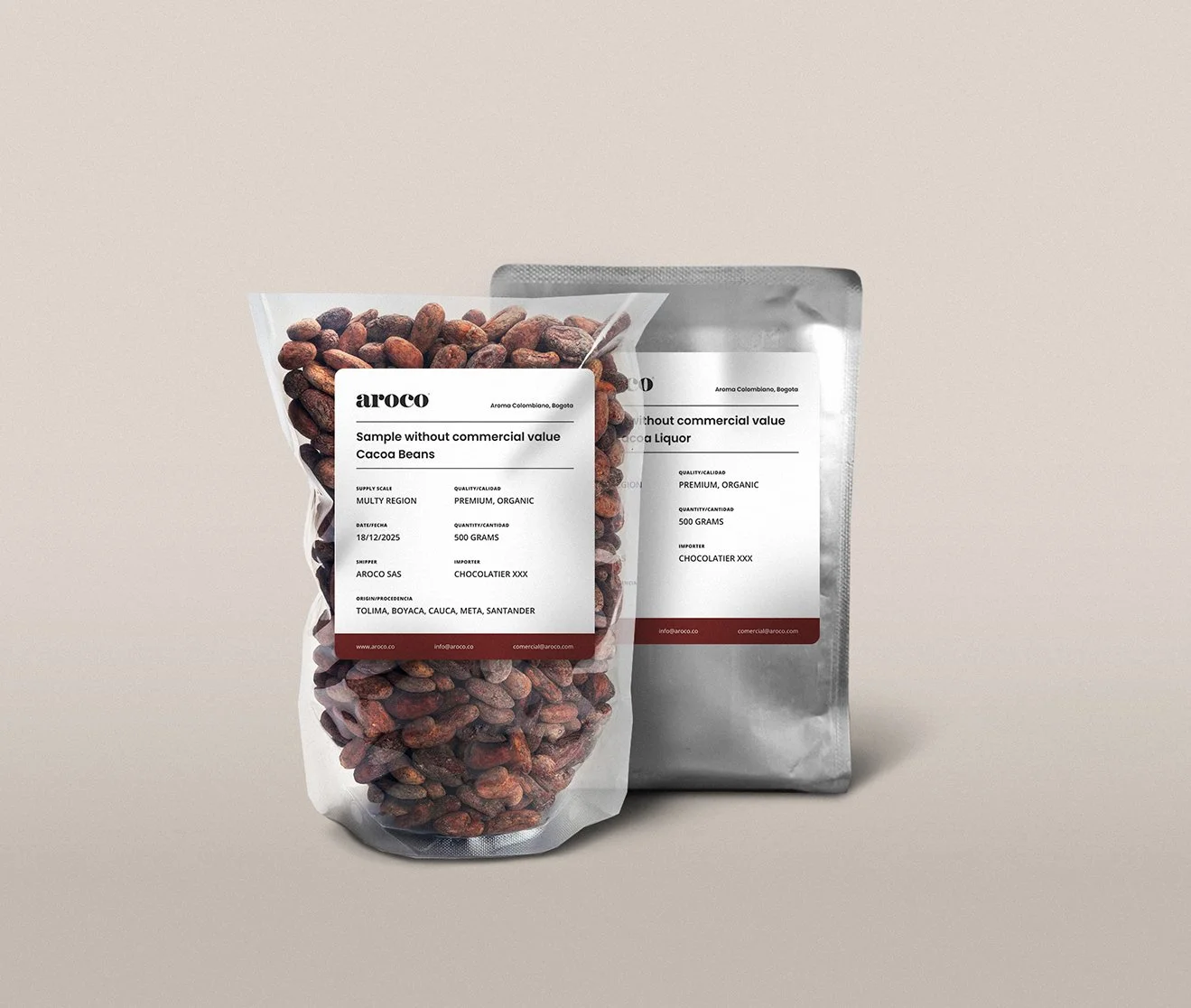
Consistency throughout the sourcing process is a must. Sampling is the very first contact between the product and the buyer. It must be convincing - not necessarily through design, but through clear information and product quality.
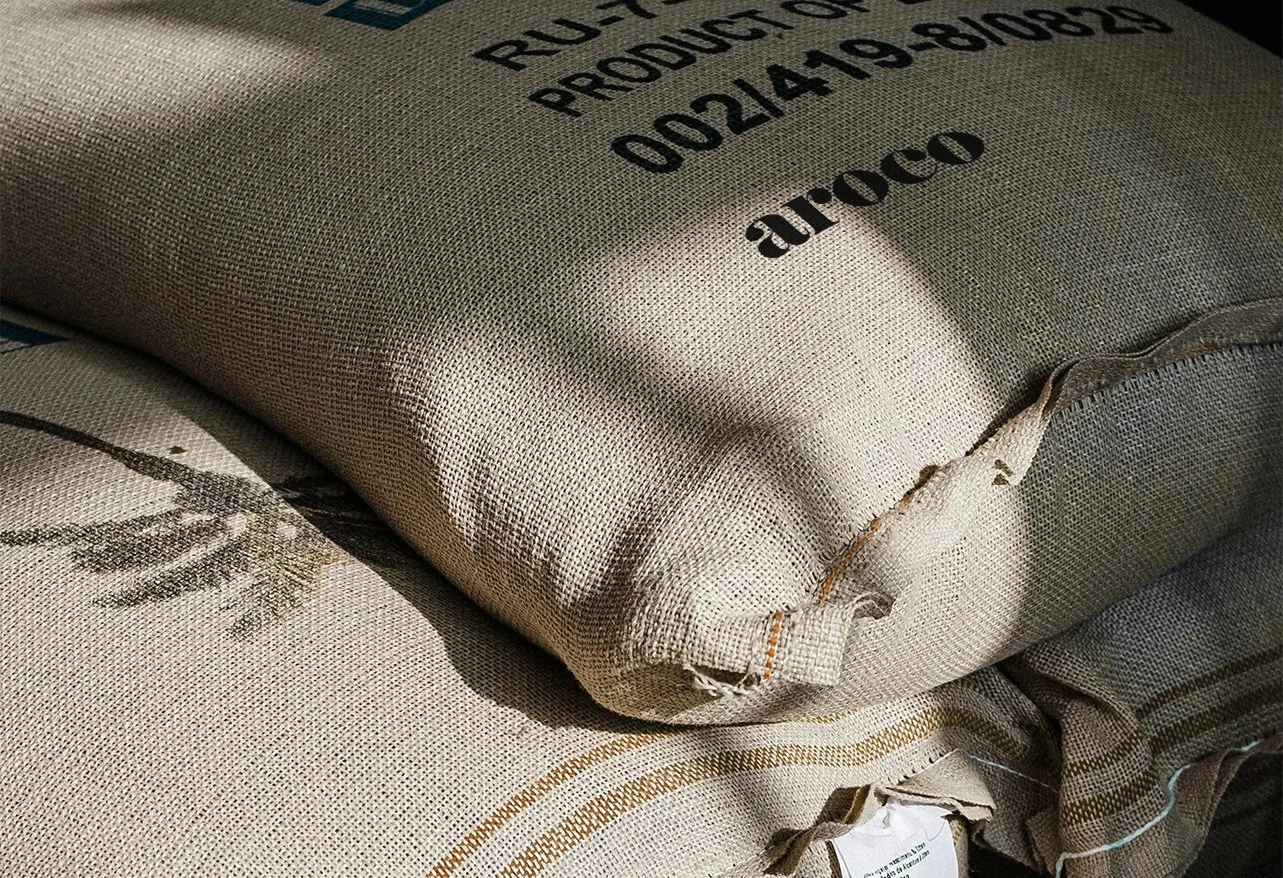
In addition to its core business, part of Aroco's vision is to market its own product. Demand for high-quality Colombian chocolate is rising measurably.
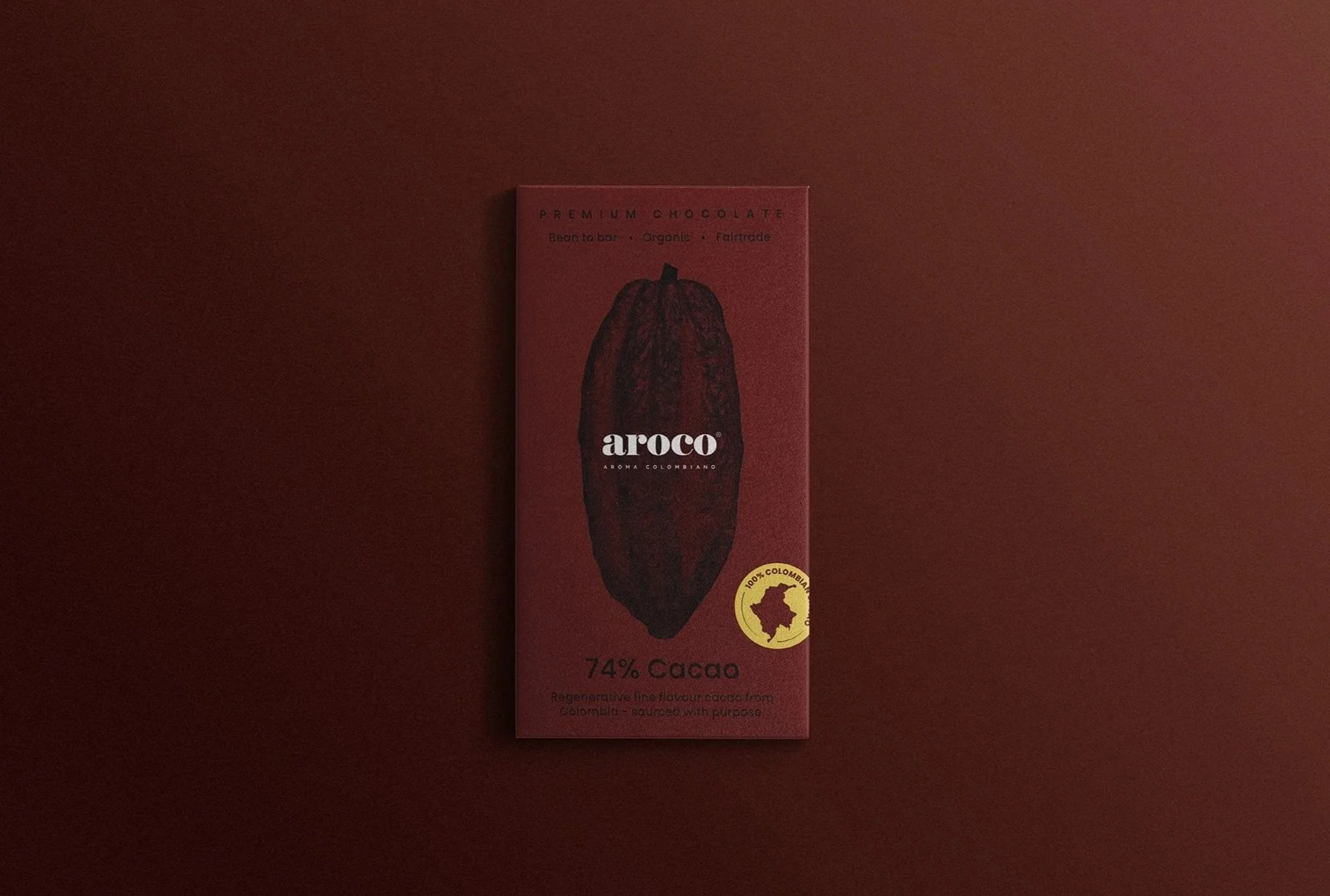
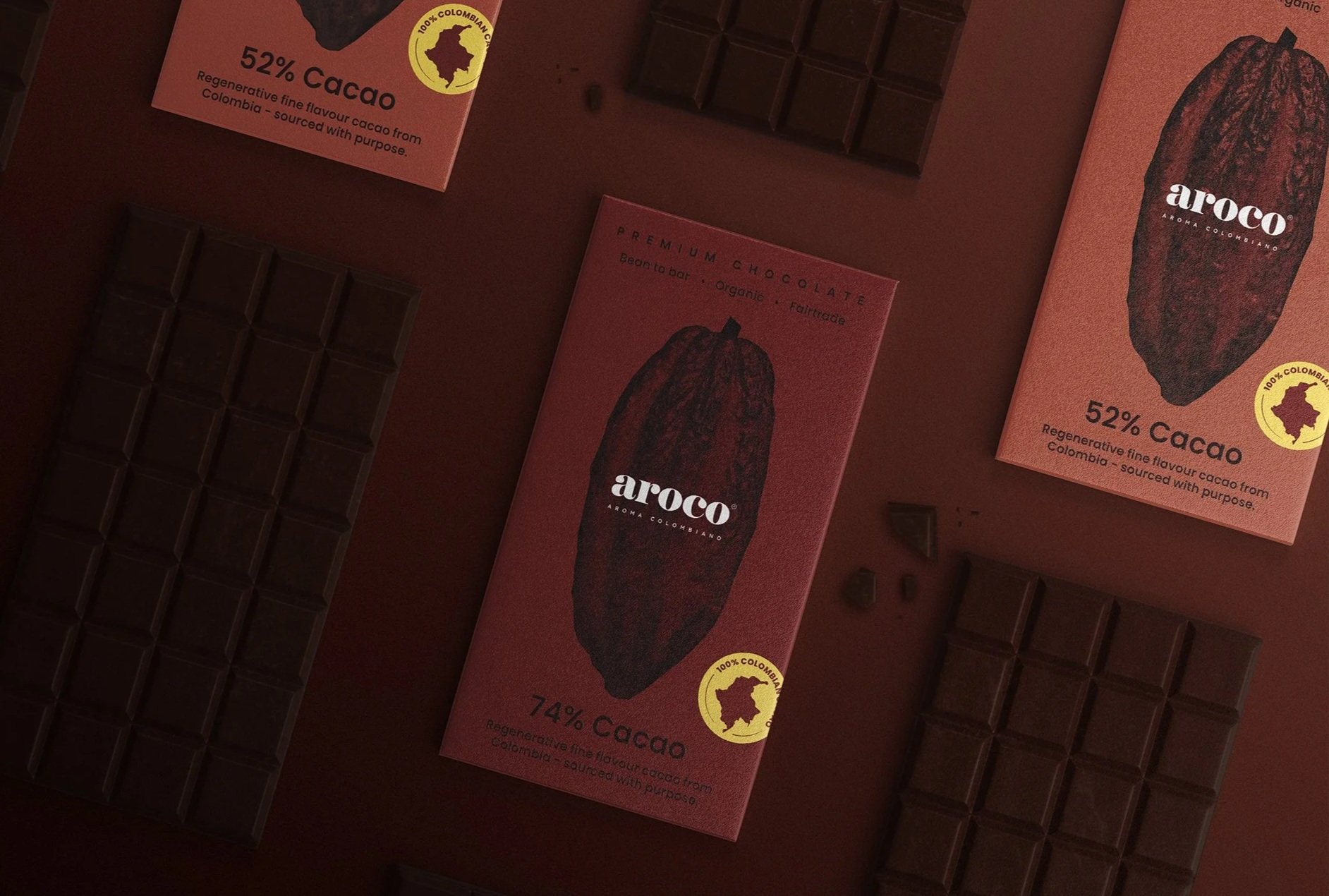
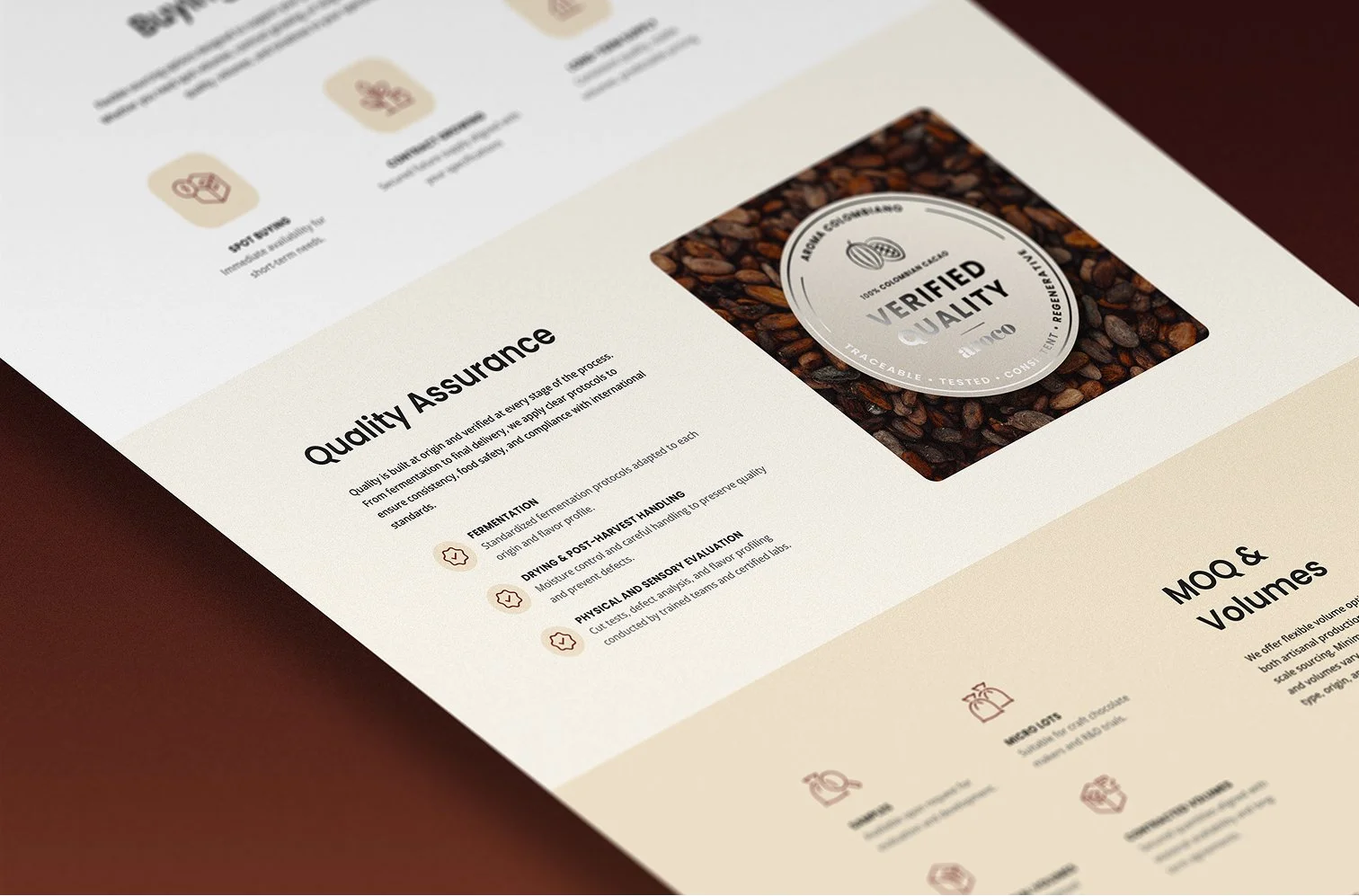
B2B buyers prioritize operational certainty over emotional appeal. The platform focuses on credibility signals that demonstrate production capability, traceability, and long-term reliability before highlighting brand narrative.
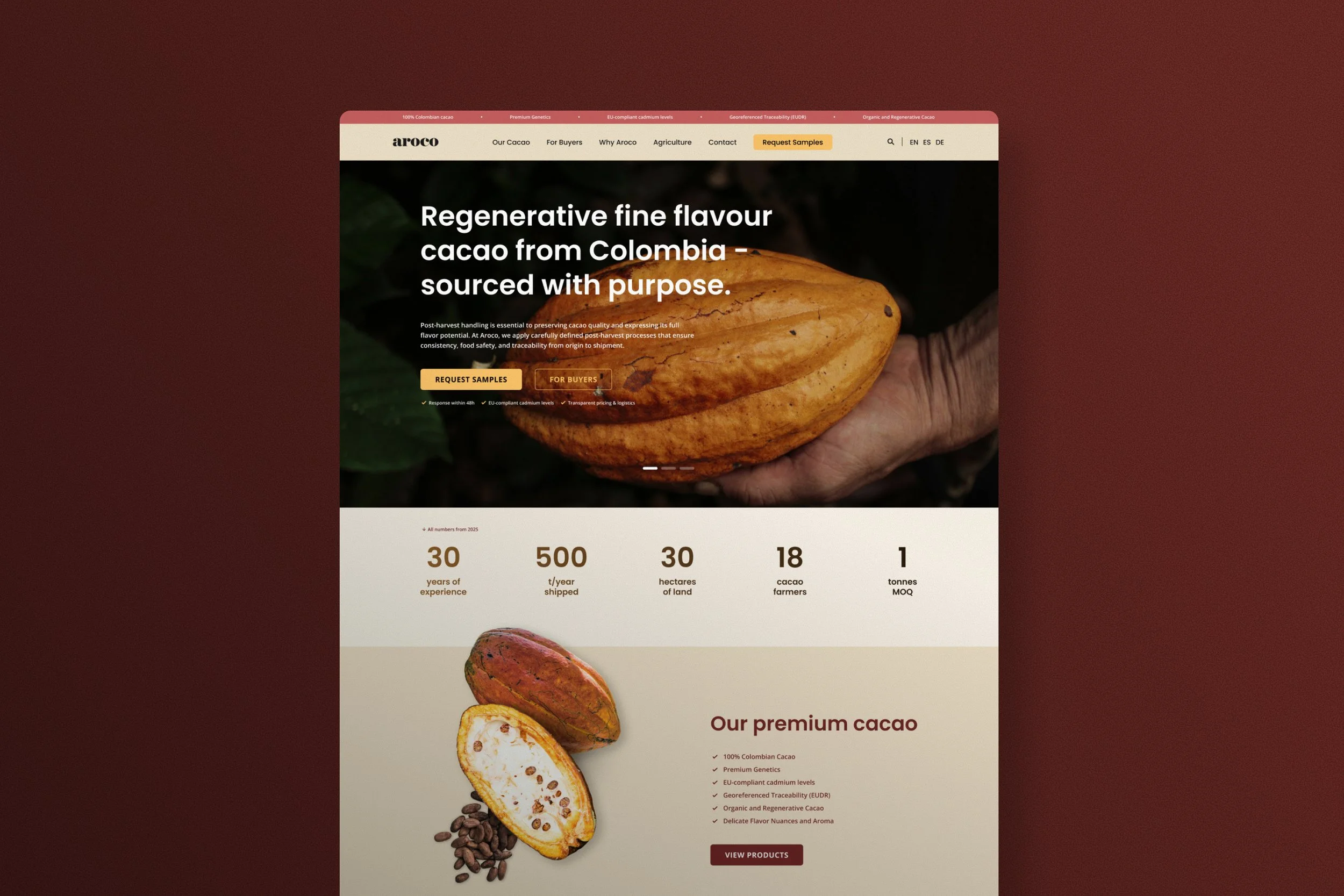
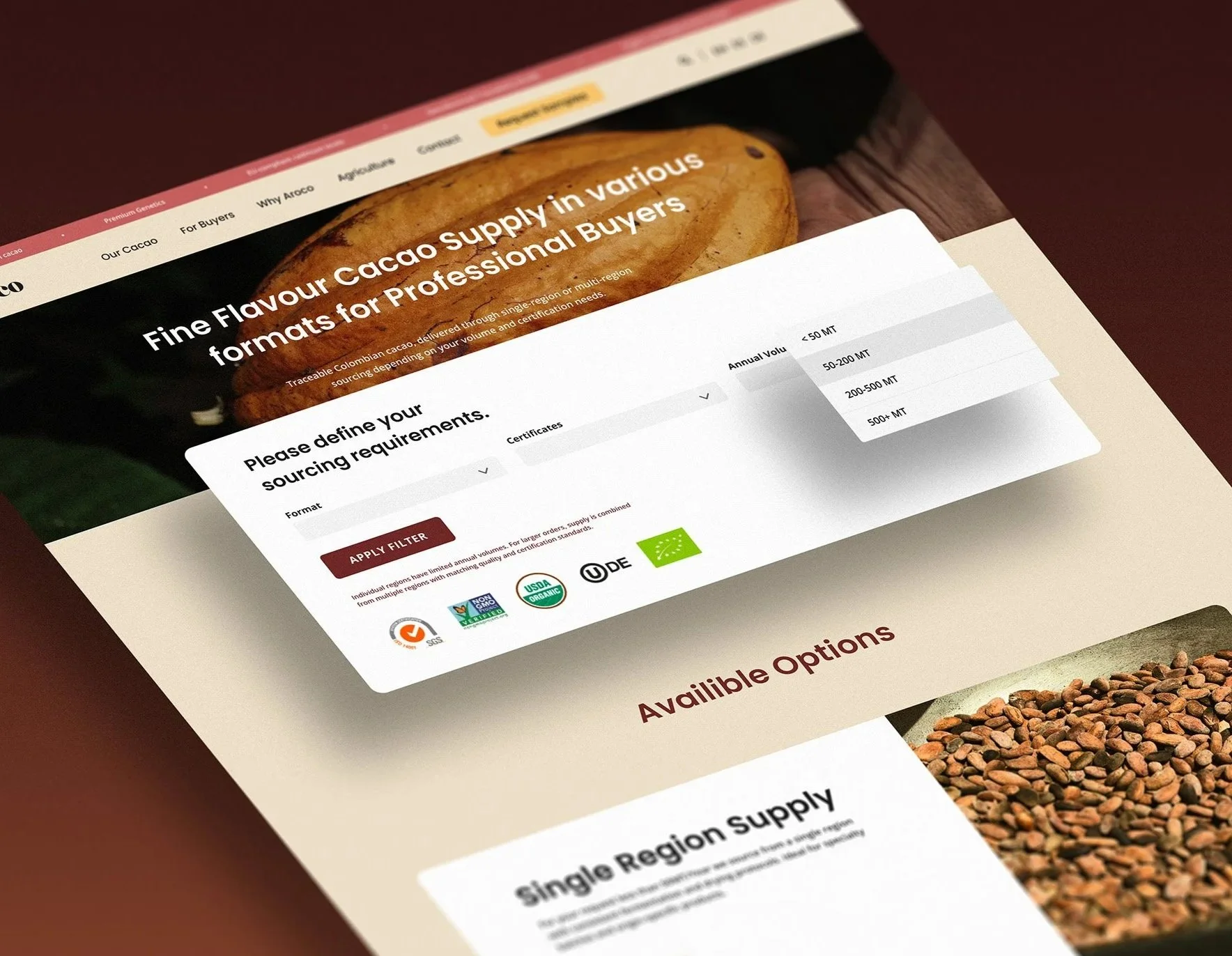
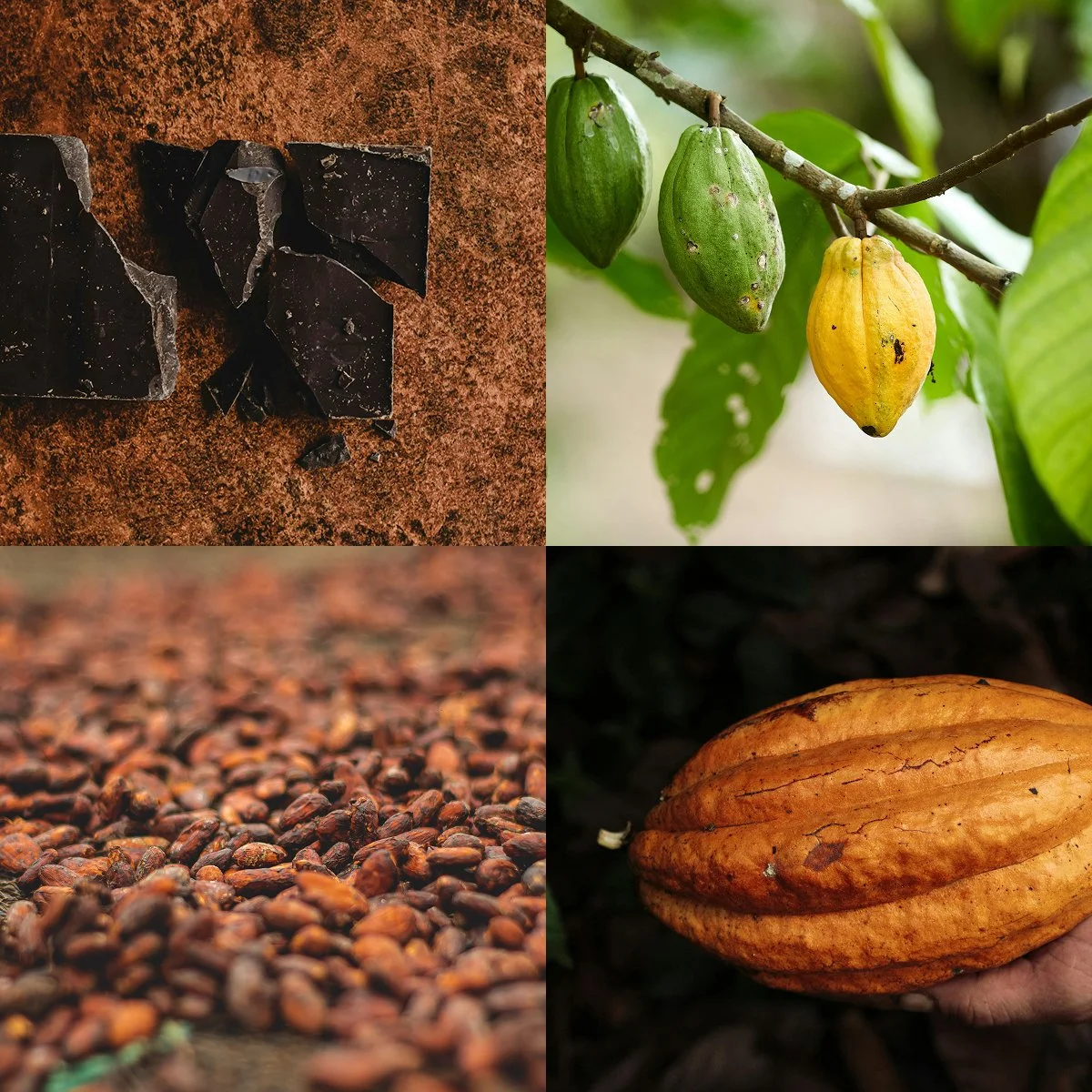
In order to maintain a high-quality appearance while remaining authentic, the images must show the unprocessed product in its environment in a clear, calm, and high-quality setting. Focus on the main object with as less distraction as possible.
Outcome
Shifted perception from commodity supplier to origin brand credibility, with a cohesive identity across product, packaging and trade touchpoints built to support international growth.
Key learnings
Repositioning a commodity-linked business requires aligning brand narrative with operational reality, and professional buyers respond to clarity and structure, not emotional persuasion.